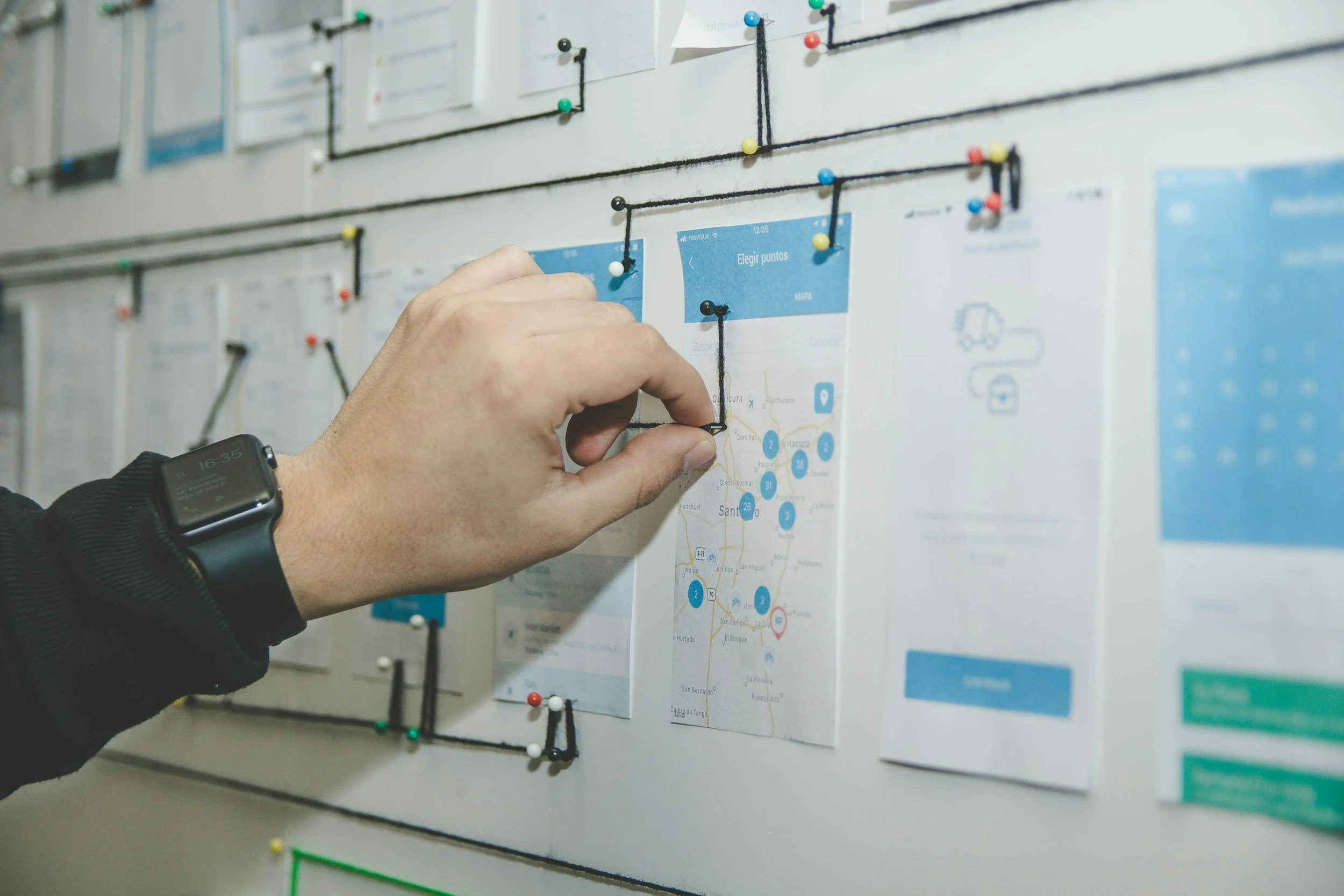
I deliver immersive workshops where we take an existing challenge and work through it together in a hands-on, practical, user-centred way.
Types of Training
Design Thinking
In this workshop we will learn and practice a set of creative tools and techniques to define the right problem, discover opportunities, generate and test our ideas and learn how to experiment and take risks.
Systems Thinking
I offer you a licence to operate differently, designing and delivering solutions with input from people and organisations working across the whole system. This means you will end up with answers that last longer, with better outcomes for the user and better returns on the money you invest.
Prototyping
Prototyping means trying out ideas in practical, low-risk ways to see how they might work.
This workshop helps you to immerse in a rapid prototyping approach, learning to test ideas quickly.

One-day Design Thinking Immersive
Thinking about starting a new project, or trying to fix an existing service that’s frustrating staff and customers?
Before committing major time and budget, it pays to pause and check you’re solving the right problem. In this hands-on session, we’ll work together to clarify what’s actually going on, who needs to be involved, and what to do first - whether you’re improving an everyday process or shaping a new service.
You’ll get practical experience mapping the work as it really happens, and walk away with:
A clear, shared definition of the problem you’re trying to solve
A map of the key people, teams, and stakeholders involved
A service map showing how the experience currently works—and where it breaks down
A practical introduction to service design methods your team can reuse
A clear plan for your next steps
This one-day immersive can be online or in-person and I customise every workshop to suit the client needs.
A deep-dive into Systems Thinking
Why Systems Thinking?
When a problem keeps coming back—or spans different teams, policies, and pressures - fixing one piece in isolation rarely works. Systems thinking helps you step back, see the wider picture, and understand how everything connects.
In this practical workshop (available online or in person), we work through a live challenge together using hands-on mapping tools:
Agree on what matters: Define the shared purpose or outcome you are actually working toward.
Identify the forces at play: Surface the pressures, habits, rules, and influences shaping how things currently behave.
Group and weigh those forces: Spot patterns and see which pressures carry the most weight.
Map causal loops: Trace how one issue feeds into another—including the unintended consequences that keep problems stuck.
Build a systems map: Connect the loops into a clear visual picture so you can see where a small, targeted change will make the biggest difference.
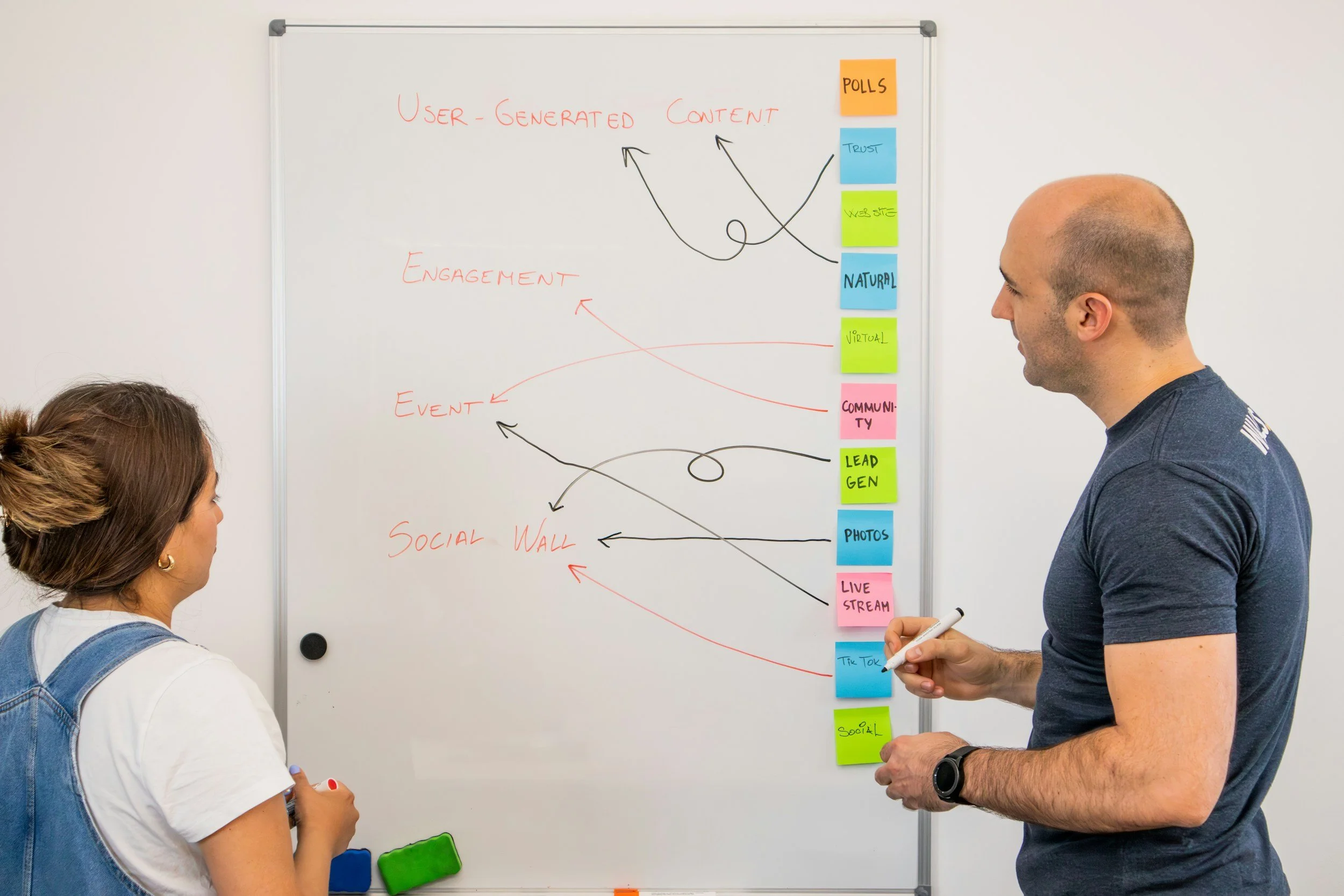
Prototyping Practical
Prototyping isn’t about building a polished product before launch; it’s a fast, low-cost way to test whether how you think a service or change will work matches what happens in reality. Making something tangible early helps teams spot gaps, avoid big upfront bets, and give people a concrete picture of how a new way of working actually feels.
In this hands-on session (online or in person), we work together on a real challenge from your team:
Spot what needs testing: Identify the biggest assumptions or sticking points before committing heavy time or budget.
Pick the right medium: Choose whatever format fits the question - paper sketches, storyboards, role-play, a live run-through, or a simple mock-up rather than defaulting to polished software.
Build rough versions together: Work as a team to make quick, testable versions that help everyone see and talk through the idea.
Test and learn early: Put the prototype in front of colleagues or users to see what works, where people trip up, and what to adjust next.
Decide what’s next: Turn real feedback into clear choices—whether to refine, try another angle, or move ahead with confidence.
What you leave with:
Practical experience turning abstract ideas or service changes into rough, testable prototypes
A clearer view of how your intended change holds up in practice, not just on paper
A shared prototype and simple plan for testing it with users or stakeholders
A repeatable "test and learn" habit your team can use on future projects