
Reflective Practice
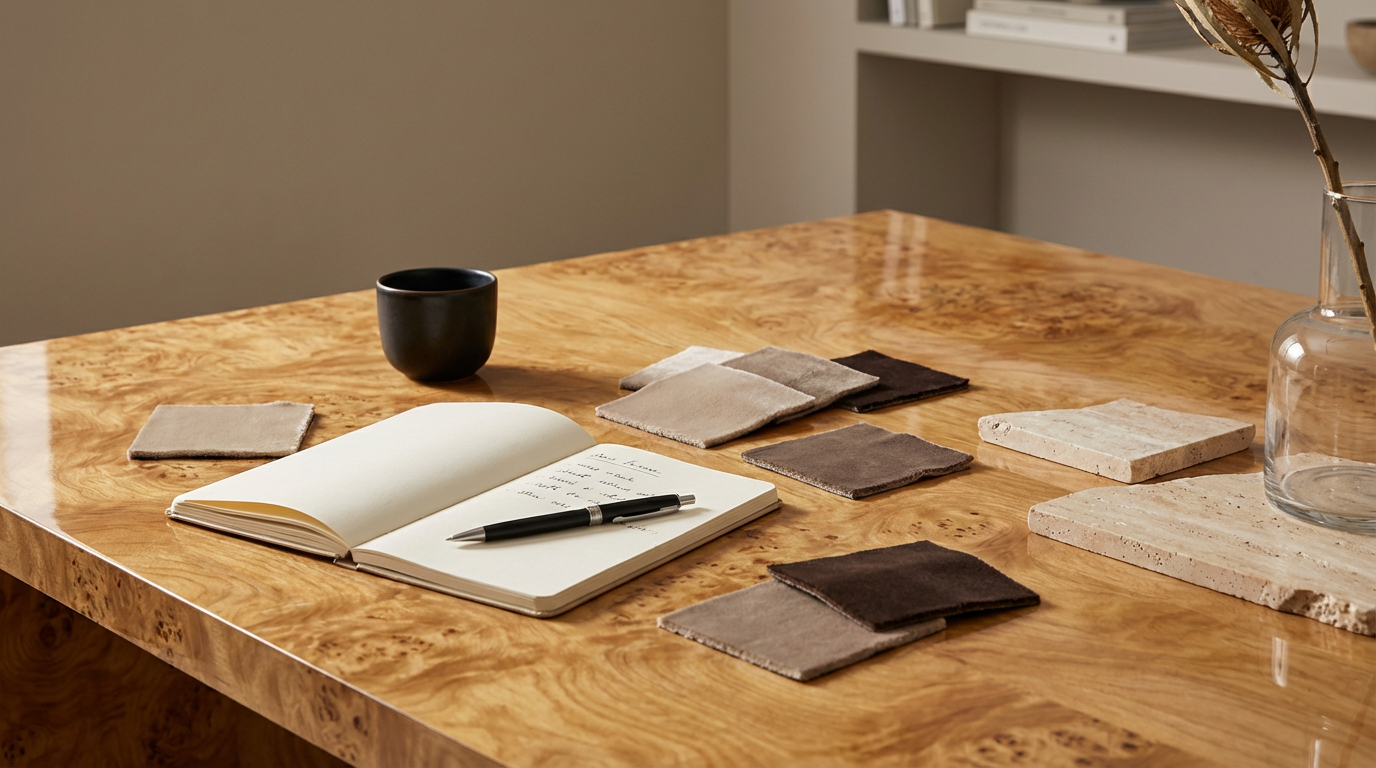
Reflective practice isn’t just a facilitation tool I pull off a shelf.
It’s at the core of how I think, work, and show up.
My PhD was a practice-based research doctorate, which meant learning by doing, testing things in the real world, and rigorously examining my own practice along the way.
Alongside twenty years in design thinking, where reflection is built into every cycle of making, testing, and adjusting and my yoga training and practice, pausing to notice what’s actually happening has become second nature.
That blend shapes every space I hold: practical and grounded in real action, yet attentive to what people are actually feeling and experiencing in the room.

Reflect, learn, and adjust
Reflective practice is a practical way of studying your own experiences so you can learn from them and improve how you work. It isn’t a report, a checklist, or a quick decision about right and wrong—it’s an ongoing habit of paying attention to what happens, noticing how it feels, and deciding what to do differently next.
In practice, reflection happens in two ways:
Reflecting on action: Stepping back after an event, week, or project to see what happened and what you learned.
Reflecting in action: Noticing and adjusting as things unfold—thinking on your feet while staying grounded in what matters.
How we work together in reflective spaces
Whether we’re working one-to-one, in a small group, or with a team, sessions are designed around a simple rhythm; pausing to breathe, asking clear questions, and working through speaking, thinking, and writing:
Returning to experience: Looking plainly at what happened, what had your attention, and what you noticed.
Attending to feelings: Honesty about what felt heavy, energising, risky, or true—without judging yourself for having the reaction.
Evaluating and adjusting: Making sense of what it means, letting go of what no longer serves you, and choosing concrete next steps.
What you leave with
Time-boxed, focused space (often working in short, structured blocks) to step out of autopilot
Clearer questions around what you’re learning about yourself, your work, and the wider system
Practical adjustments - what to revisit, what to let go of, and how you want to show up next
Endorsements from previous attendees, I asked them how did they feel after each session.